
Hi there! If you’re investing in SEO, you probably have one very reasonable question:
“When will I actually see results?”
The short answer: SEO usually takes 3–6 months to show meaningful early traction and 6–12 months to produce serious, dependable results.
Some improvements can happen within weeks, especially technical fixes and local SEO updates. But SEO is not a vending machine where you insert keywords and receive customers by Friday.
It’s more like planting a business garden. You improve the soil, plant the right things, keep showing up, and eventually the results begin to compound.
SEO Timeline for Small Businesses: A Quick Summary
Here’s the realistic version:
- Weeks 1–4: Audits, technical fixes, keyword research, tracking, and strategy.
- Months 1–3: Foundation improvements and early search impressions.
- Months 3–6: First rankings, more visibility, and early organic leads.
- Months 6–12: Stronger rankings, consistent traffic, and meaningful lead growth.
- 12+ months: Compounding content performance and greater authority in competitive markets.
Google’s commonly cited guidance suggests SEO may take roughly four months to one year to show its full potential. Your timeline depends on your competition, website history, location, content quality, and how consistently the work gets done.

Why Does SEO Feel So Slow?
SEO takes time because search engines need evidence before they trust your website.
Google is constantly evaluating questions like:
- Is this website technically healthy?
- Does the content answer the searcher’s question?
- Is the business relevant to this location?
- Do other trustworthy websites mention or link to it?
- Do visitors find the website useful and easy to navigate?
- Does the business appear credible and active?
That trust is built gradually. A brand-new website usually has to start from scratch, while an established website with strong content and a clean technical foundation may see improvements faster.
Why it matters
If you expect overnight results, you may stop just before the work begins to compound.
SEO rewards consistency. One optimized page may help. A well-structured website with useful service pages, helpful articles, local signals, reviews, and strong internal links can become a serious growth engine.
A Realistic Month-by-Month SEO Timeline
Months 1–3: Build the foundation
The first stage is about fixing problems and creating a roadmap.
Typical work includes:
- Technical SEO audits
- Website speed and mobile improvements
- Keyword research and page mapping
- Service-page optimization
- Google Business Profile improvements
- Analytics and conversion tracking
- Internal linking
- Content planning
- Indexing and crawlability fixes
You may not see a huge traffic spike yet. That’s normal.
Instead, look for early indicators such as:
- More pages appearing in Google
- Increased search impressions
- Better rankings for long-tail keywords
- More Google Business Profile actions
- Improved page speed
- More website engagement
Why it matters
A weak foundation makes every future SEO effort harder. Investing in website maintenance services can help prevent broken links, outdated software, slow load times, and technical problems from quietly sabotaging your visibility.
Months 3–6: Start gaining traction
This is when many small businesses begin seeing measurable movement.
You may notice:
- More non-branded search traffic
- First-page rankings for easier keywords
- More calls or form submissions
- Improved visibility in local search
- Better performance from optimized service pages
- Early results from helpful blog content
This is also when content begins to compound. Each useful article can support your main service pages through internal links and expanded topical coverage.
For example, a plumbing company might create:
- A main plumbing services page
- A water heater repair page
- A drain cleaning page
- A “how much does drain cleaning cost?” article
- A local guide to preventing frozen pipes
Together, these pages create a stronger, more useful website than one generic “services” page ever could.
Why it matters
Months three through six are often where patience starts paying off. You may not dominate every keyword yet, but you can begin grabbing clicks and leads from more specific, lower-competition searches.
Months 6–12: Build serious momentum
By this point, consistent SEO work can produce more dependable growth.
Your website may begin ranking for:
- Competitive service keywords
- “Service + city” searches
- Problem-based searches
- Product and category terms
- Commercial-intent keywords
- Questions that lead visitors toward a purchase
This is also the stage where conversion rate optimization becomes increasingly important. Ranking is helpful, but the real goal is to make sure your site is found, read, trusted, and acted upon.
That may require:
- Clear calls to action
- Better forms
- Stronger testimonials
- Simpler navigation
- More persuasive service descriptions
- Faster landing pages
- Better mobile experiences
If your website looks outdated or makes visitors work too hard, website redesign services may help turn search traffic into actual business.
Local SEO Can Show Results Faster
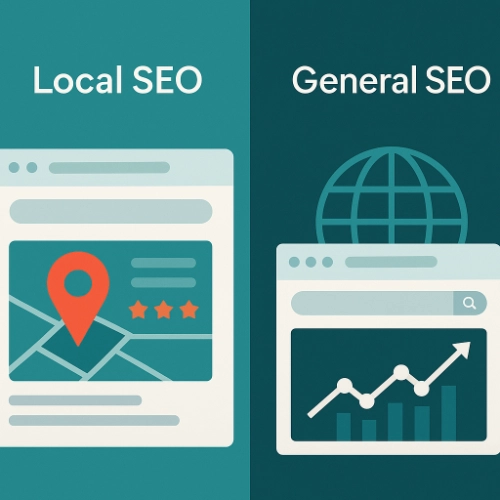
For many small businesses, local SEO offers one of the quickest paths to early visibility.
Local SEO focuses on searches such as:
- “Roofing company near me”
- “Best dentist in Granbury”
- “Web designer Glen Rose TX”
- “HVAC repair Cleburne”
- “Coffee shop open now”
Local improvements can sometimes appear within four to eight weeks, especially when your Google Business Profile is incomplete or poorly optimized.
Helpful local SEO actions include:
- Complete and verify your Google Business Profile.
- Choose accurate business categories.
- Add high-quality photos regularly.
- Publish helpful updates.
- Earn genuine customer reviews.
- Respond to reviews professionally.
- Keep your name, address, and phone number consistent.
- Create useful location and service pages.
- Build relationships with local organizations and publications.
Our local SEO services are designed to support businesses that want stronger visibility in their communities and service areas.
Why it matters
Local searchers are often ready to take action. A person searching for “emergency plumber near me” is usually not conducting a six-month research project. They need help now.
How to Speed Up SEO Results
You cannot force Google to trust your website overnight, but you can avoid unnecessary delays.
1. Start with the highest-value pages
Do not optimize every page equally on day one.
Prioritize:
- Main service pages
- Location pages
- High-margin products
- Pages already receiving impressions
- Pages ranking on positions 5–20
- Pages with strong traffic but weak conversions
These pages already have potential. Improving them can produce faster wins than starting with a blank blog post.
2. Fix technical problems early
Slow websites, broken links, poor mobile layouts, duplicate pages, and indexing problems can hold back everything else.
If your site needs a stronger foundation, custom web development and small business web design can help improve structure, usability, and performance.
3. Publish useful content consistently
Do not publish content just to hit a word count. Create answers your customers actually want.
Strong topics often include:
- Pricing questions
- Service comparisons
- “Best” and “how-to” searches
- Common customer mistakes
- Local buying guides
- Product maintenance tips
- Before-and-after explanations
Think quality plus consistency. One excellent article each month is better than four rushed articles that sound like they were assembled by a keyword blender.
4. Improve your conversion path
More traffic is not enough if visitors cannot figure out what to do next.
Use:
- Clear headlines
- One primary call to action
- Shorter forms
- Trust signals
- Helpful FAQs
- Specific service benefits
- Fast-loading pages
For campaigns or high-value offers, thoughtful landing page design can help turn more clicks into calls, form submissions, and purchases.
5. Use paid traffic while organic rankings grow
SEO is a long-term asset, but you do not have to sit in the waiting room with a sandwich.
Strategic Google Ads management can create immediate visibility while your organic presence develops. Paid search is especially useful for:
- New businesses
- Seasonal offers
- High-value services
- New locations
- Competitive keywords
- Time-sensitive promotions
The key is to track conversions, not just clicks.
6. Support your visibility with social media
Social media may not directly replace SEO, but it can help distribute content, build recognition, and bring more people back to your website.
Consistent social media marketing services can support:
- Brand awareness
- Content promotion
- Community engagement
- Reputation building
- Retargeting campaigns
- Customer relationships
7. Measure business outcomes
Rankings matter, but they are not the finish line.
Track:
- Organic traffic
- Qualified leads
- Phone calls
- Form submissions
- Booked appointments
- Revenue
- Cost per lead
- Conversion rate
- Local visibility
- Search impressions
A keyword ranking in position one is exciting. A steady stream of profitable customers is better.

What If You Need Results Right Now?
If you need leads immediately, combine long-term SEO with short-term marketing channels.
A practical mix may include:
- SEO for sustainable visibility
- Google Ads for immediate demand
- Social media for relationship building
- Email marketing for repeat engagement
- Conversion rate optimization for better website performance
For online stores, ecommerce website development can also make a major difference. A technically strong store with clean product pages, useful category content, and a simple checkout experience gives SEO and paid campaigns a better place to send visitors.
Frequently Asked Questions About Small Business SEO
How long does SEO take for a small business?
Most small businesses should expect early traction within 3–6 months and more serious, dependable results within 6–12 months. Competitive industries, brand-new websites, and difficult markets may take longer.
Can SEO work in 30 days?
You may see early improvements in impressions, technical health, local visibility, or rankings for easy keywords within 30 days. However, substantial traffic and lead growth typically require several months of consistent work.
Does local SEO work faster than national SEO?
Often, yes. Local SEO can show early movement within one to three months, especially when a business has an incomplete Google Business Profile or inconsistent local information. Strong, stable local lead generation usually takes longer.
Is SEO worth it for a small business?
Yes, when it is connected to business goals. SEO can help small businesses build visibility, reach high-intent searchers, reduce dependence on paid advertising, and create long-term website value.
Should I use SEO and Google Ads together?
Often, yes. Google Ads can generate immediate visibility while SEO builds long-term momentum. Using both also provides useful data about which keywords and offers attract qualified prospects.
What is the fastest way to improve SEO?
Start with technical problems, optimize your highest-value service pages, improve your Google Business Profile, publish genuinely useful content, earn reviews, and strengthen your conversion path.
The Bottom Line
SEO for a small business usually follows this pattern:
- 1–3 months: Build the foundation.
- 3–6 months: See early traction.
- 6–12 months: Build meaningful momentum.
- 12+ months: Continue compounding authority and results.
The businesses that win are not always the ones with the biggest budgets. They are often the ones that stay consistent, improve the customer experience, publish useful information, and make smart adjustments along the way.
If you’re ready to build a realistic SEO roadmap, improve your website, or combine organic search with paid marketing, contact Catelleon Solutions today.
HELLO! WE’RE LISTENING. Let’s talk about your project.